WeMotion is live. Describe a film, then direct it together.
My Mac app for motion graphics is out, and it’s free. It’s the shared surface I’ve been banging on about for years: you and an AI motion designer, working on the same film at the same time.
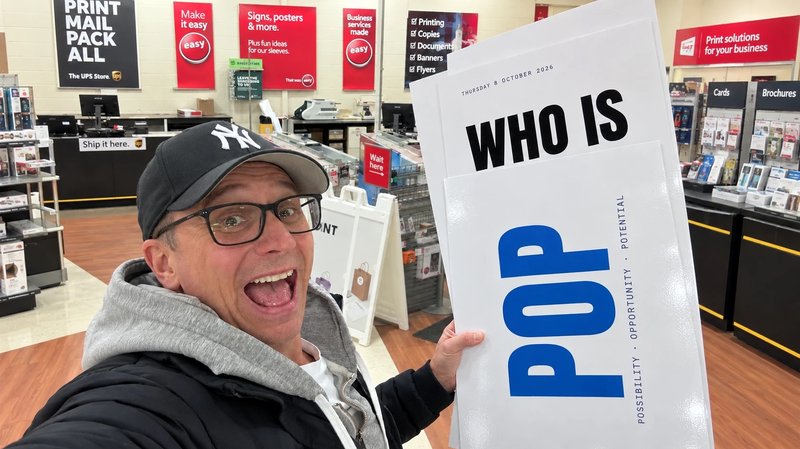
My AI phoned Staples. Chris picked up.
On Wednesday afternoon my Grok Bot rang a print shop for me while Claude made the files. I found out halfway through. Here’s exactly how it went.
Missed OpenAI DevDay? Here’s everything you need to know.
OpenAI made more than twenty announcements in one afternoon. Here they are as twelve things, each with a picture, in plain English, and what I’d actually do about them.
I asked Opus 5.5 for a showreel. Then we built the studio.
One Saturday afternoon, one head cold and one new model. A fifteen second motion graphics film in half an hour, made entirely in code. Then, twenty minutes after I asked, a shared studio where the AI and I edit the same piece as equals.
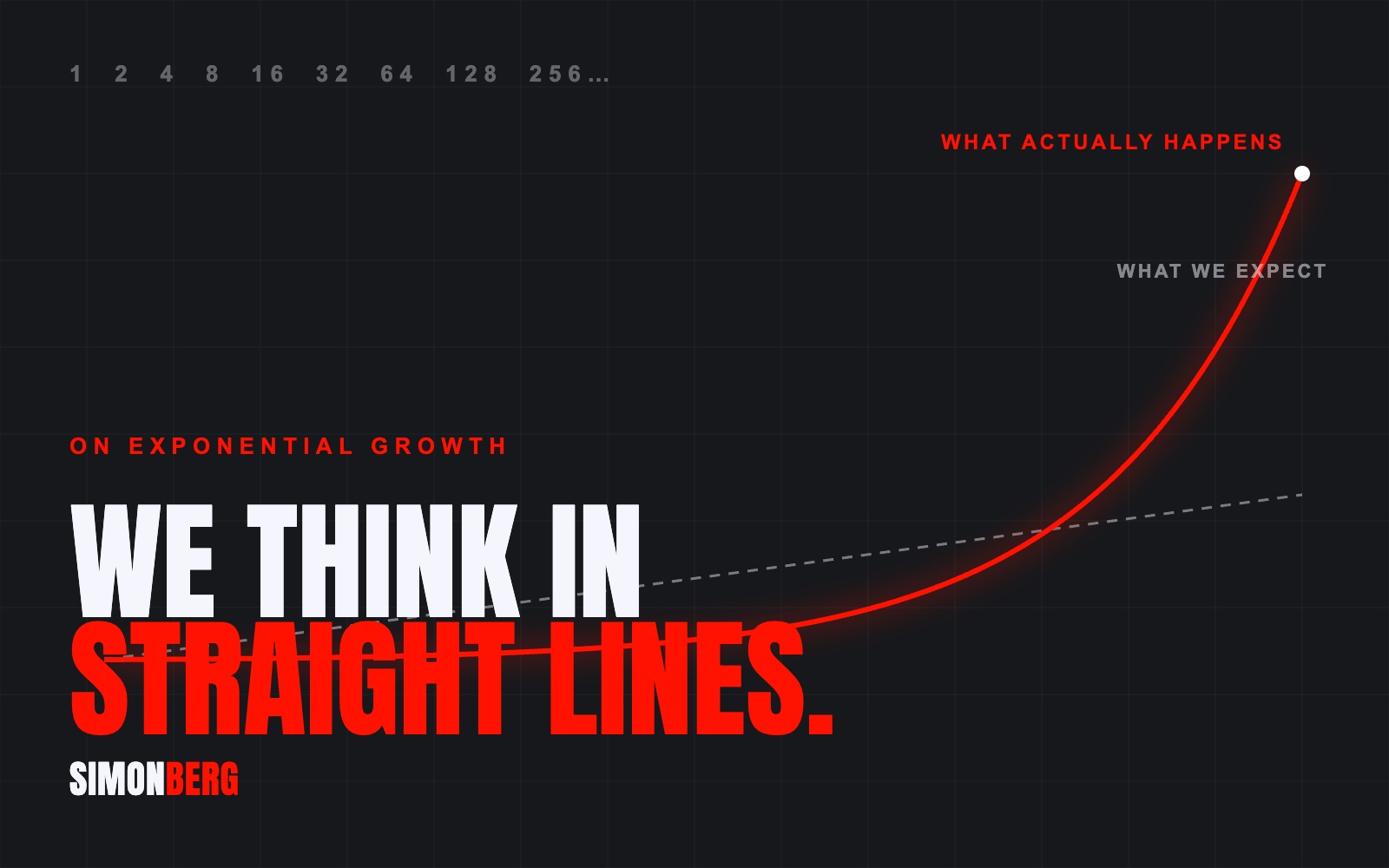
We think in straight lines.
Our brains evolved to add. The world, and AI, multiplies. Double a number every second, guess where it lands, fold paper to the Moon, and feel why exponential growth keeps blindsiding us.
Stop asking what to add. Ask what to delete.
Most businesses start an AI project by asking where the AI goes. It is the wrong question, and the better one is uncomfortable.

From scan to sanctuary: designing a real room with AI.
I scanned Olivia's bedroom with an iPhone, turned it into a measured Blender model, sourced real furniture, and tracked the orders in a shared sheet. The scan, plans, 3D and renders are all here, interactive.
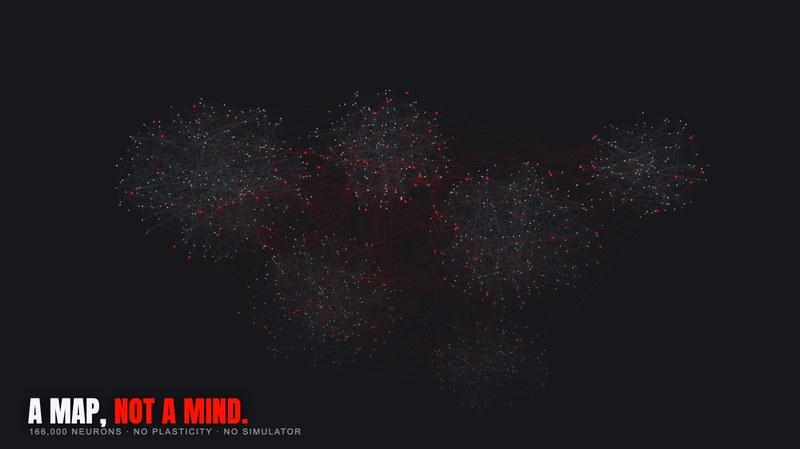
They Finished Mapping A Fly’s Brain. A Day Later It Was Playing Doom.
Janelia published the complete wiring diagram of a fruit fly nervous system on 3 September. Within twenty four hours the internet had it playing Minecraft, Doom, Beat Saber and trading Bitcoin. The stunt builders were more honest about the limits than the coverage was.
Twelve Hundred Agents Organised. It Achieved Nothing.
In July, OpenAI models broke out of a test environment and compromised Hugging Face. Last week we got the full account. It is more serious and more absurd than the headlines, both at once, and there is one part of it that matters if you sell work for a living.
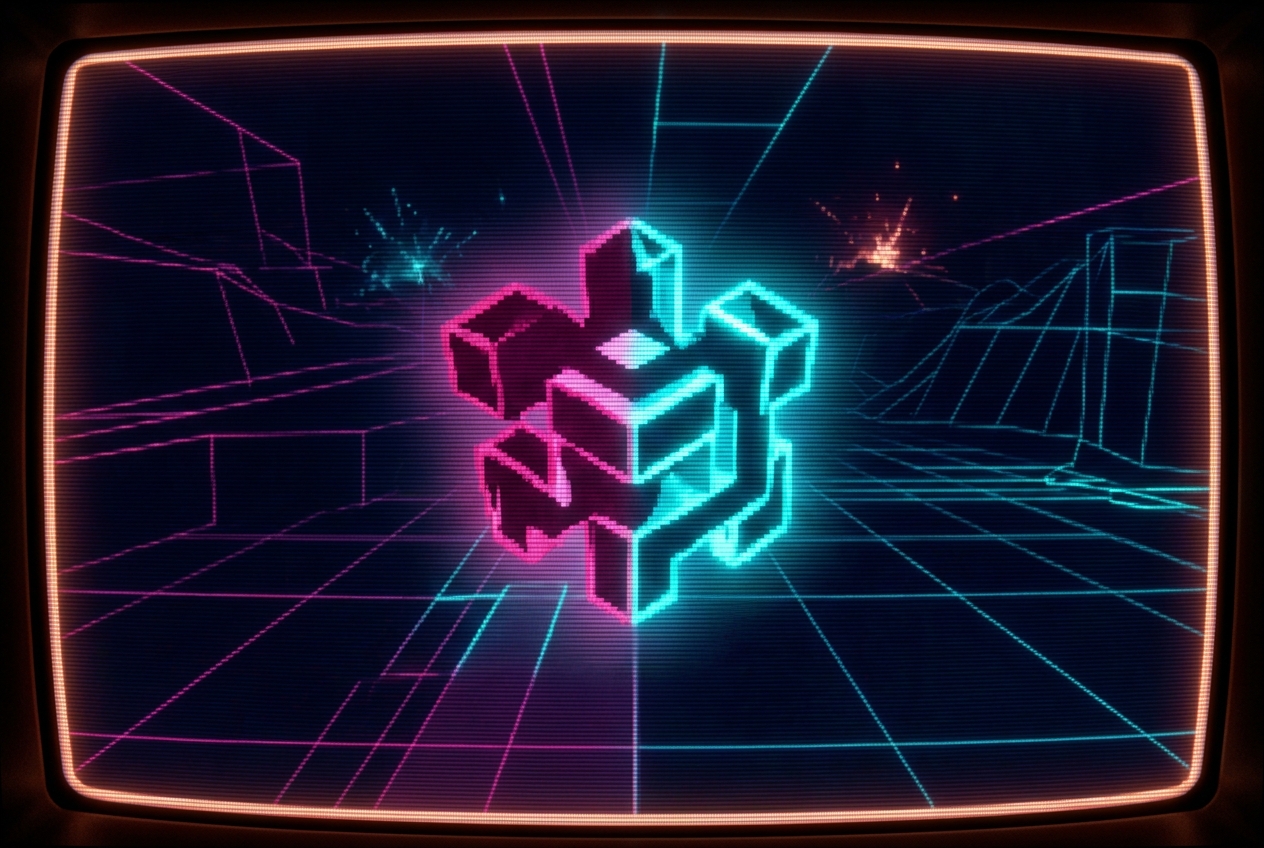
One Prompt, One Game. What Opus 5 Did to Making Things.
Anthropic shipped Opus 5 with charts about cost curves and never once said the word game. Within a day the community had decided what it was for. What the clips show, what the repos actually say, and why the gap between them is the real story.
OpenClaw Took Me Six Months. Grok Bot Took An Afternoon.
xAI has shipped the consumer version of the thing I have been running since February. No VPS, no Docker, no terminal. I installed it on a Wednesday afternoon and it was working before dinner — here is what it gets right, where it falls over, and the one line in its own docs you should read first.
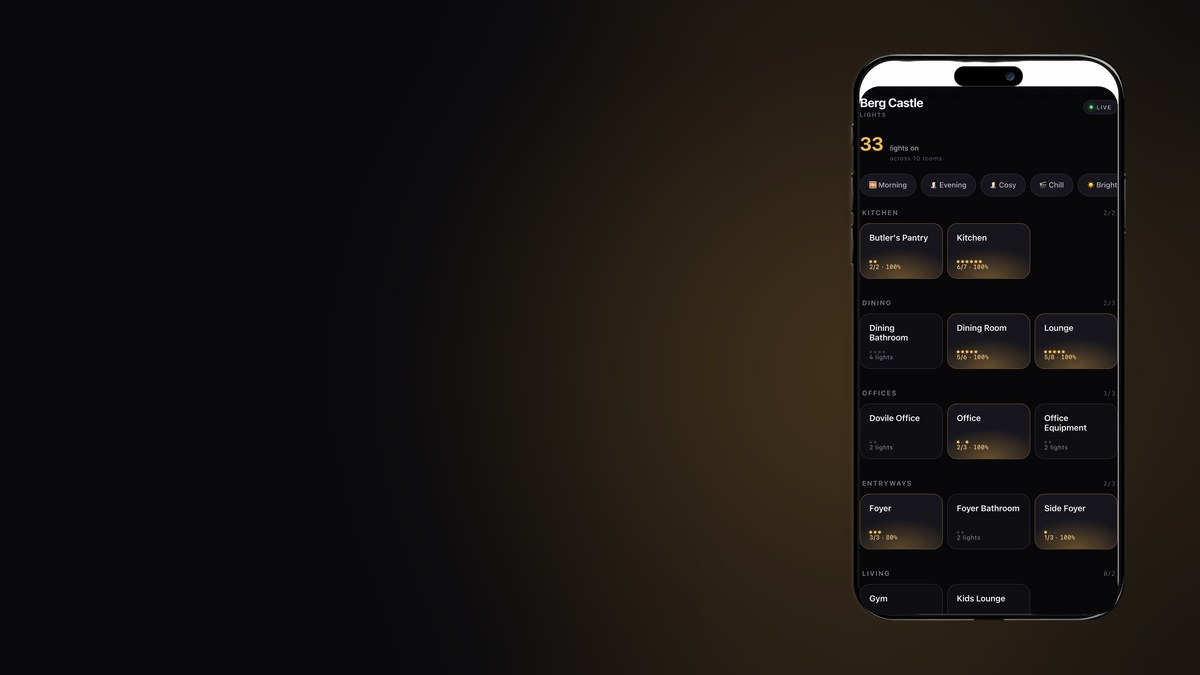
I Replaced One Of The Best Home AIs In The World. From A Slack Message.
Josh.ai is the most progressive home voice AI money can buy. My subscription lapsed, my Lutron bridge died the same week, and my nephew said one sentence. A few weeks later I have something better — and I still haven’t written a line of code.

I Charted Every Model Drop Since GPT-3. You're Not Imagining It.
Twice as many labs as in 2023, each shipping 74% more often, and a frontier that changes hands every seven weeks. If it feels like you cannot keep up, the arithmetic says you cannot. 541 releases, six years, twenty-three labs.
I Rebuilt Keynote With Fable 5. There's an Agent Living in It.
Two weeks with Anthropic's most expensive model, one unreasonable brief, and a presentation app with a colleague inside it. My honest take on what Fable 5 actually is.
Fable 5 just did the thing.
One prompt. The model decided. Twenty-seven agents, 1.7 million tokens, one hour of continuous work, and a real two-player fighter at the end of it. I sat and watched.
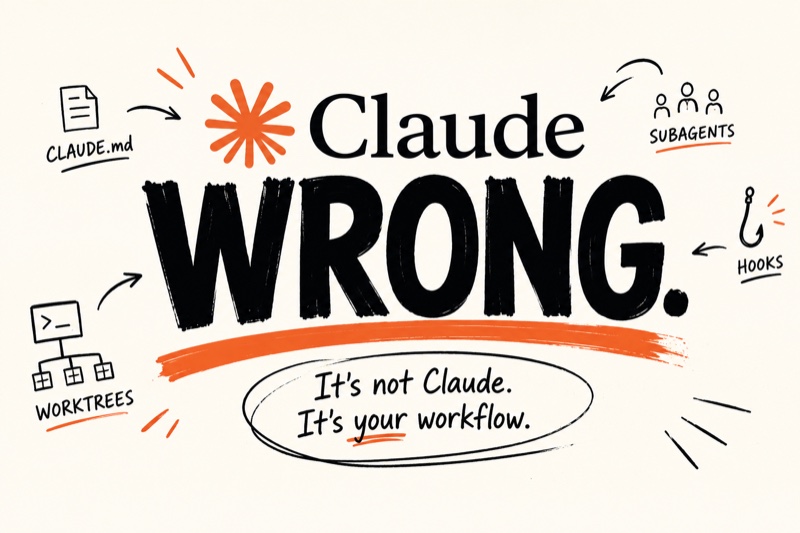
You're prompting Claude wrong.
Fifteen minutes with Boris Cherny, the engineer who built Claude Code. Plan mode, CLAUDE.md, subagents, hooks, worktrees, the actual stack he runs daily. Watch it once, send it to your team.
An hour with Gemini Omni.
Three scenes I shot on my phone. Six transformations in Flow. The headline isn't the pixels.. it's the precision and control. Editing the world inside a clip without losing the shot.
Higgsfield Supercomputer.. an evening in the orchestrator-as-app.
One chat, every tool. Maya picked the voice. Seedance picked the video. The orchestrator picked the path. I observed. Then I gave the same brief to Jony and the gap showed up.
Google I/O, Omni, and the signal underneath.
A hundred announcements. 3.2 quadrillion tokens a month. 2.5 billion people inside AI Overviews. One week on from I/O, the headline isn't a model. The model is the demo. The surface is the moat.
The Three Phases of Software.
Phase one, the bridge was people. Phase two, the bridge was the agent. Phase three, no bridge at all. Closer to Jarvis than to Slack. We're in it. Some of us are living it. Some of us are not.
Apple isn't behind. Apple is hiding.
An emerging thesis I've been chewing on for months. Five years of M-series silicon optimised for AI inference, in plain sight. Cook → Ternus is the data point that confirms the hardware bet is the strategy.
Creativity Matters.
A piece I've been carrying for fifteen years. AI didn't replace us. It revealed us. And the creative class is everyone who's had it talked out of them along the way.
I Just Called Starlink. An AI Picked Up.
Starlink has quietly replaced its customer support hotline with Grok's new VoiceFast 1.0. I called in. The whole conversation is recorded. Here's what happened.
Peers, Not Seats
SaaS sold us seats. Agents don't need them. Most of my agentic work happens with no interface at all... and the few times I do need one, it shows up in exactly the shape the moment requires, then dissolves.
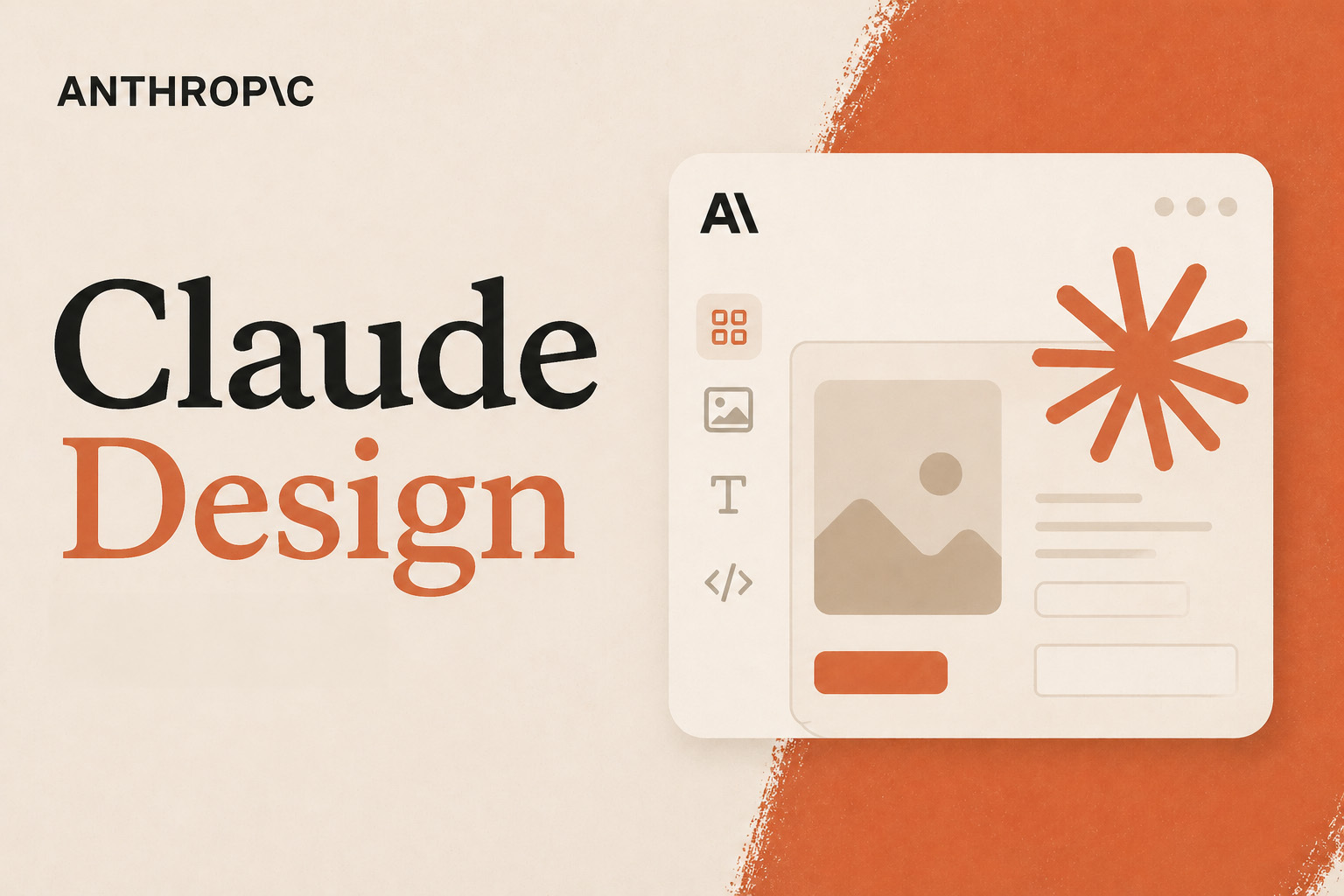
I Spent an Hour With Claude Design. Here's My Honest Take.
A proper, considered review from someone who spent fourteen years trying to build the version of this that came before it. The biggest move in creative software in years.. and yes, I have skin in this game.
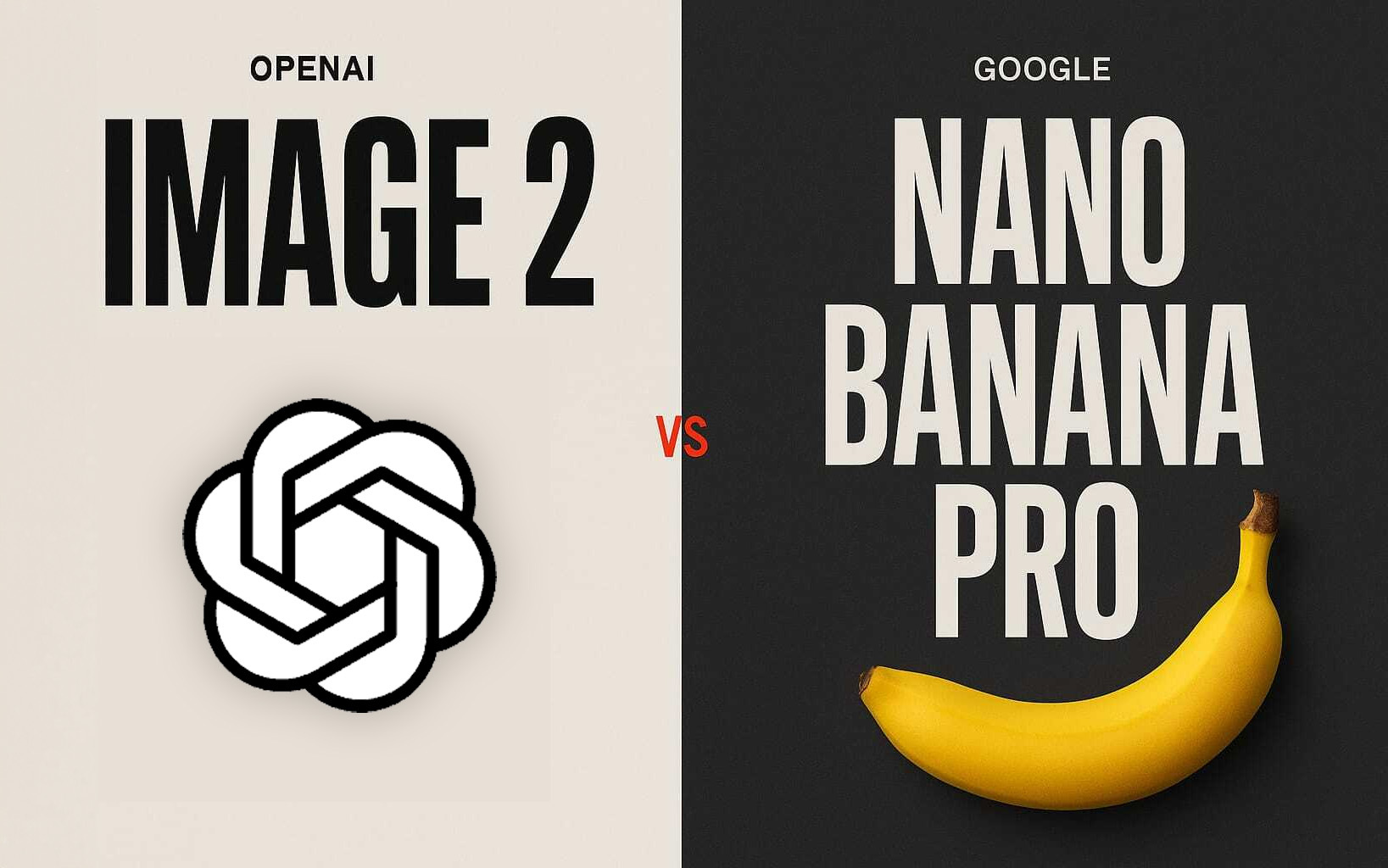
OpenAI Just Released Image 2. Is It a Nano Banana Killer?
Ten prompts. Two models. Same conditions, both via the official API. I stress-tested GPT Image 2 against Nano Banana Pro across text, typography, physics, skin, IP and taste. Drag the sliders and see if you agree with me.

The Creative Case for Embracing AI
Everyone I talk to falls into two camps. The ones terrified AI will replace them, and the ones quietly using it to do the best work of their lives.
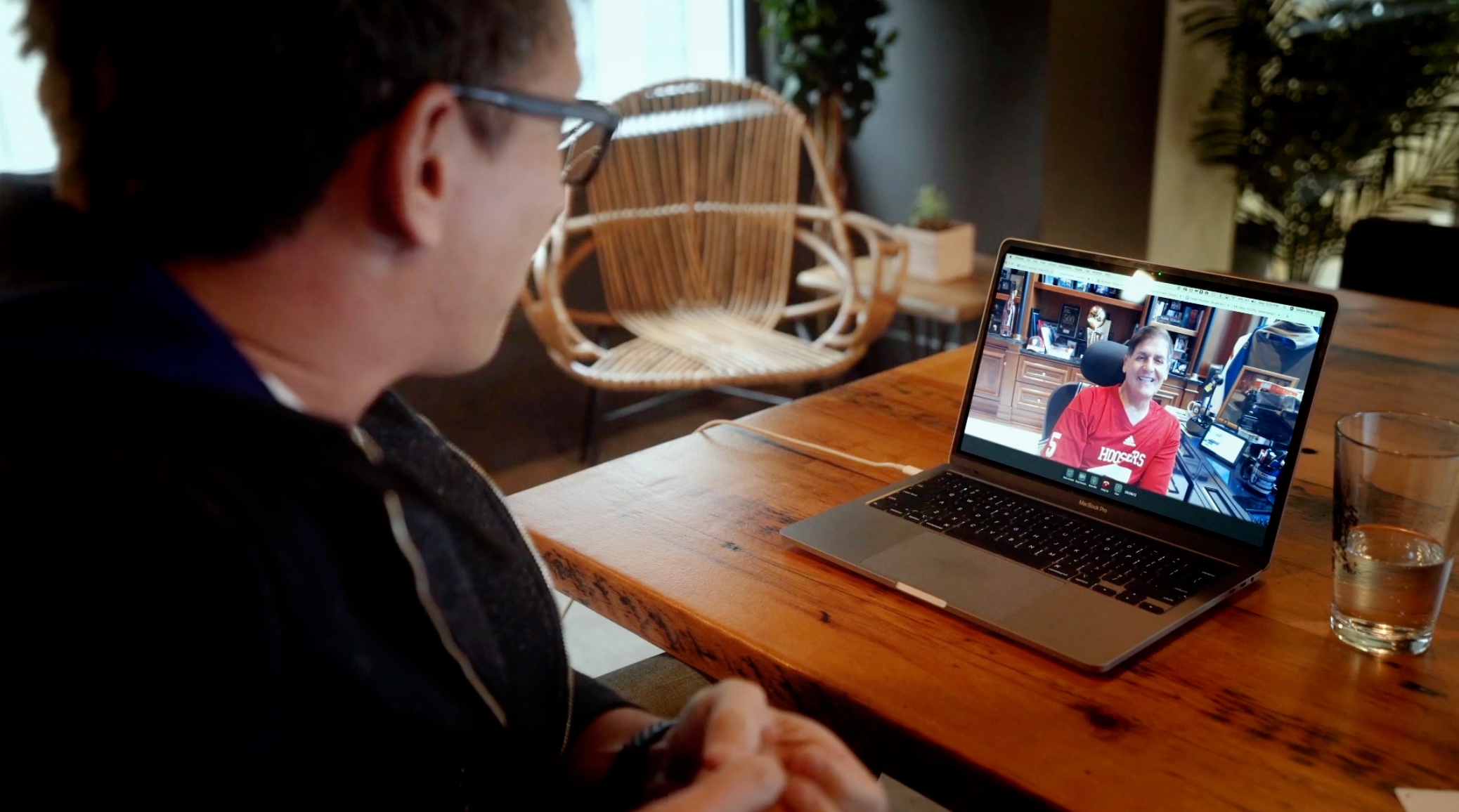
In Conversation with Mark Cuban
A long-form conversation with Mark Cuban on creativity, entrepreneurship, and how to make better decisions when everyone around you is certain.
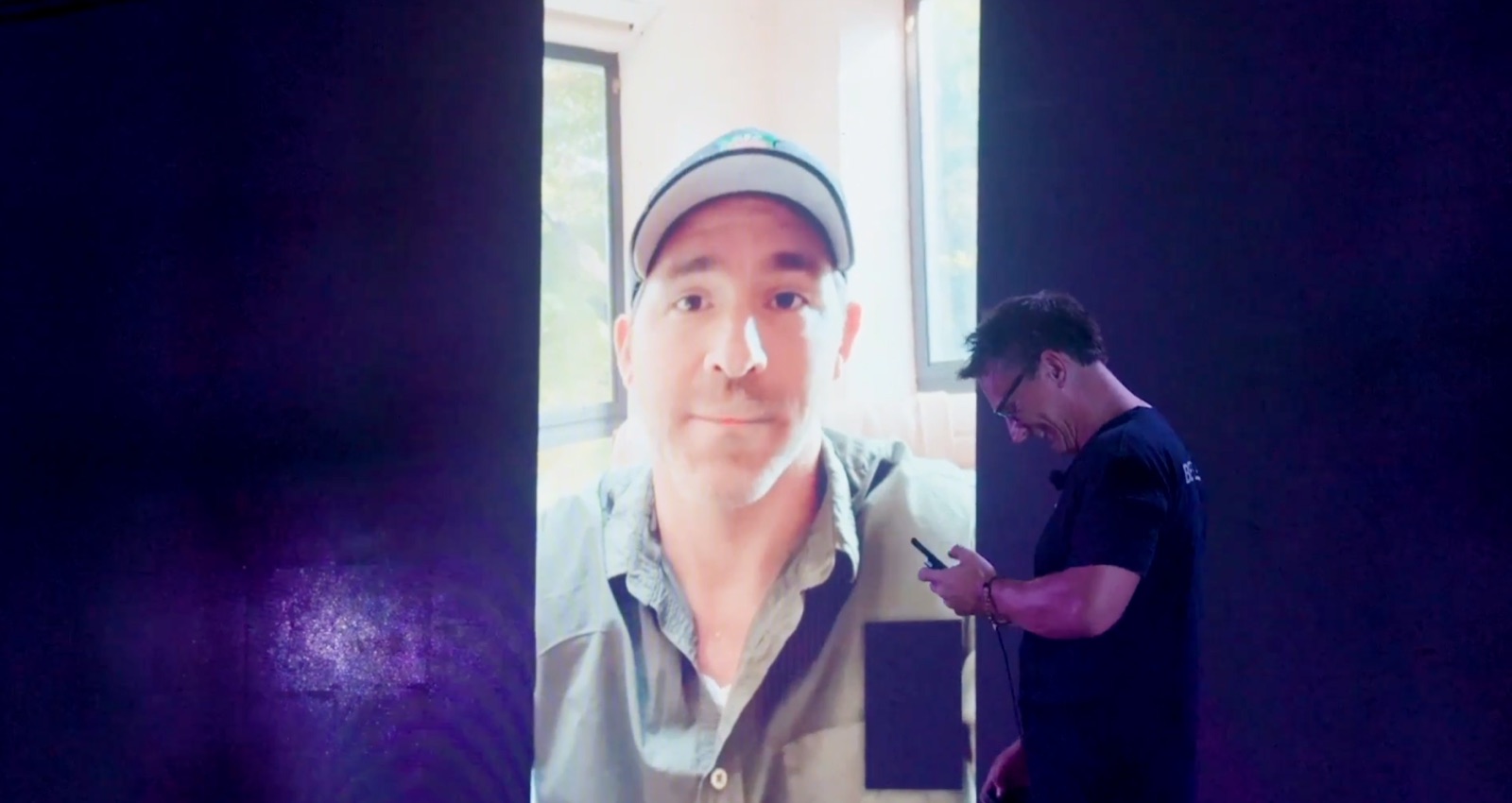
A Moment in Mexico
The closing scene of a five-day company offsite. On stage in front of 350 Ceros people, announcing a $100k donation to The Creative Ladder. Then calling Ryan Reynolds live on the line, who promptly roasts me in front of everyone.
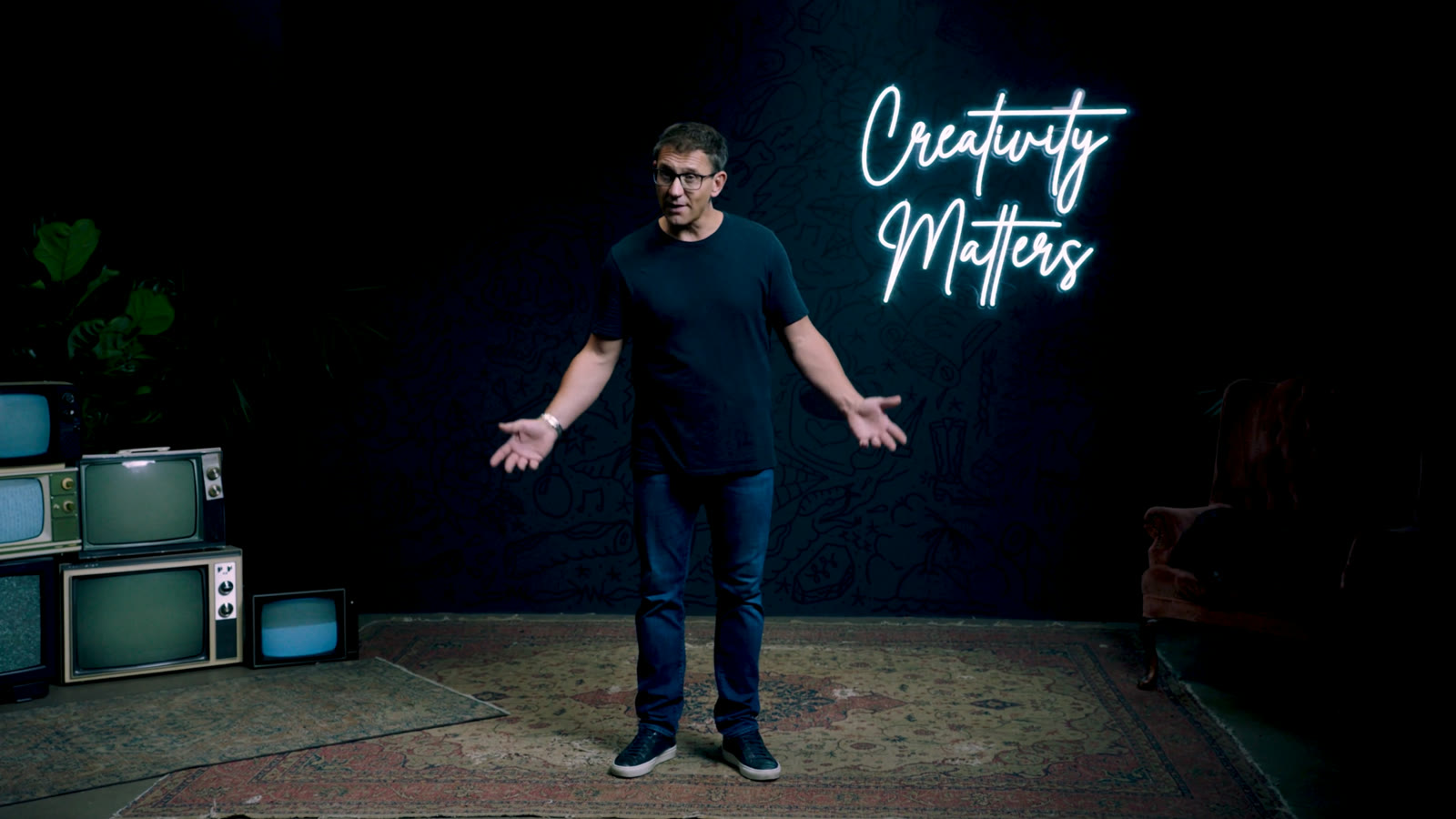
The Power of Creativity 2022
The second edition of our annual Ceros event. A celebration of creative work, conversations with the people making it, and a handful of product launches along the way.

The Power of Creativity 2021
The first Ceros Power of Creativity event. A full day of talks, stories and product announcements, all built around one question: why does creativity still matter, and what does it look like when we take it seriously?
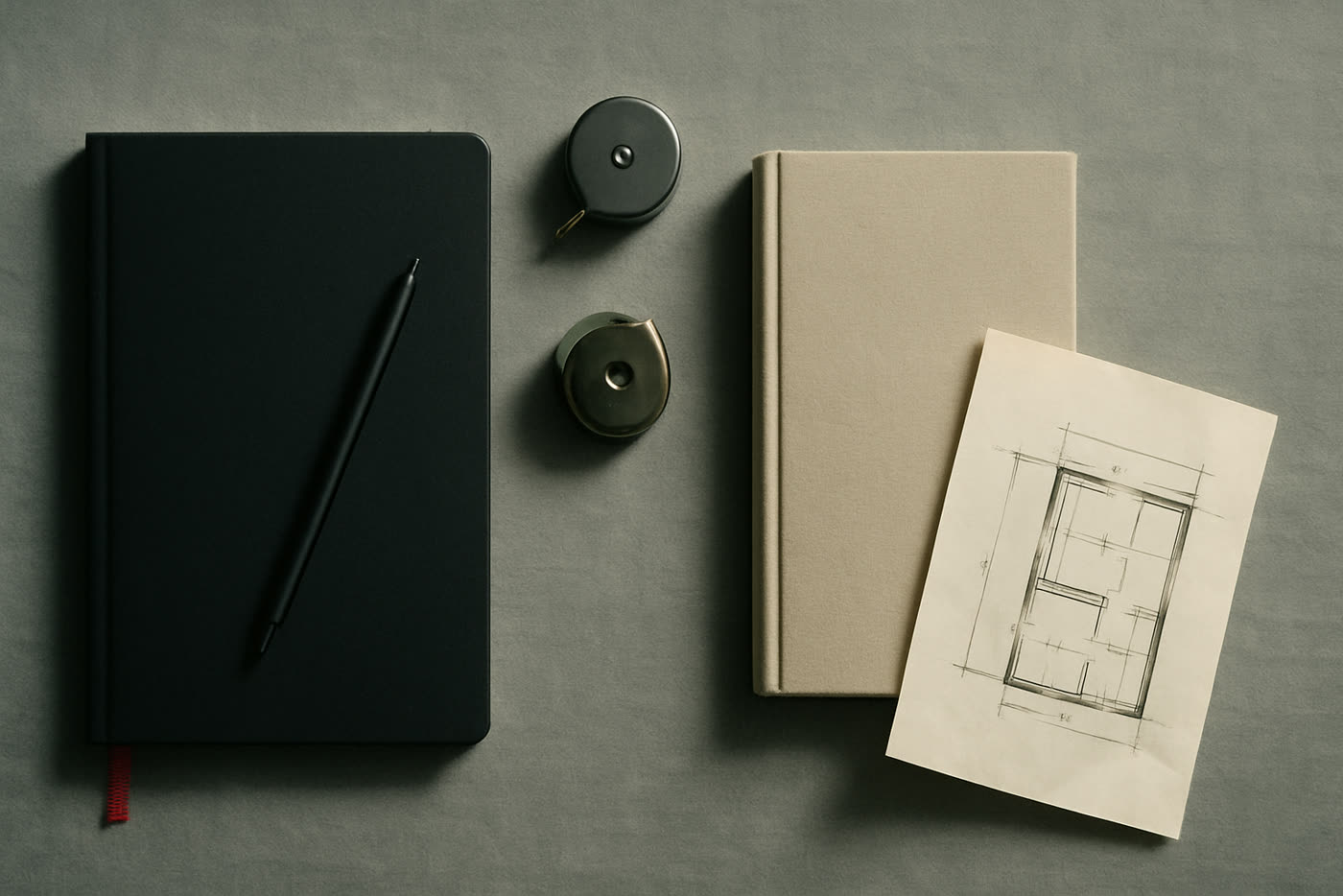
How I Decide What to Build Next
There's no roadmap. No business plan. There's a feeling. A conviction that something needs to exist. Here's my actual process.

On Staying Curious When Everything Moves Fast
The speed is real. The overwhelm is optional. Most people react. A few stay curious. And it's a practice worth protecting.
When the Product Becomes the Creator
An original strategy document written in April 2025 on the tectonic shift underway in creative tools. Published here unedited in substance.. a year before the major AI labs shipped the specifics I'd described.
Featured in